Solar energy systems depend on durable components that support panels and withstand outdoor exposure. The frame material plays an important role in structural stability and installation efficiency.
Aluminium is widely considered for solar applications because it combines low weight, durability, corrosion resistance, and design flexibility. Choosing suitable aluminium for solar panels can support practical installation requirements while helping create frames that remain reliable across changing environmental conditions and long-term outdoor use.
Building Reliable Solar Structures With Aluminium for Solar Panels
Solar panel frames need to balance strength, weight, durability, and fabrication requirements to support dependable installations across different environments.
1. Lightweight Construction Supporting Easier Installation
Weight is an important consideration when designing solar panel support structures. Aluminium has a relatively low density compared with steel, which can make profiles easier to handle during transportation and installation. Lighter components may also simplify movement across rooftops and project sites. However, the frame design must still provide sufficient structural support for the specific panel configuration and environmental conditions. Therefore, select appropriate profiles, dimensions, connections, and mounting methods based on engineering requirements, not material weight alone.
2. Corrosion Resistance for Outdoor Applications
Solar panels are exposed to rain, humidity, temperature changes, dust, and other environmental conditions throughout their service life. Aluminium naturally forms a protective oxide layer that contributes to its corrosion resistance. This characteristic makes aluminium suitable for many outdoor applications where long-term exposure is expected. Surface treatments such as anodising or powder coating may provide additional functional or aesthetic benefits depending on the project. Proper material selection and finishing can help maintain the appearance and performance of frame components over extended periods.
3. Flexible Profiles for Different Solar Designs
Solar installations can vary considerably in size, orientation, mounting method, and structural configuration. Aluminium profiles can be manufactured into different shapes and dimensions, allowing designers to develop components suited to specific applications. Extrusion and machining processes can create profiles with particular dimensions, openings, connection points, or mounting features. This flexibility can simplify the development of customised frame systems. Engineers can therefore consider the required load conditions, panel dimensions, installation method, and available space when selecting an appropriate aluminium profile.
4. Strength-to-Weight Balance in Frame Design
A suitable solar frame needs to provide structural stability without adding unnecessary weight to the overall installation. Aluminium offers a useful strength-to-weight balance, allowing manufacturers to develop lightweight components while maintaining appropriate structural characteristics. Final performance depends on the alloy, profile geometry, dimensions, connections, and engineering design, not the material alone. Proper calculations and testing remain important when designing frames for specific loads. This approach helps ensure that lightweight construction does not compromise the structural requirements of the solar installation.
Design Considerations for Durable Solar Panel Frames
A reliable frame requires more than material selection, as profile design, surface treatment, connections, manufacturing accuracy, and installation conditions all influence long-term performance.
When developing solar support components, designers should consider panel dimensions, structural loads, mounting configuration, environmental exposure, and installation requirements. Aluminium for solar panels can be customised through extrusion and machining processes, while surface treatments may provide additional protection or appearance options. The choice of alloy and profile geometry should match the application’s engineering requirements. Careful planning at the design stage can also reduce unnecessary material use and simplify manufacturing. This integrated approach helps create frame systems that balance functionality, durability, and practical installation needs.
Improving Solar Frame Performance With Aluminium for Solar Panels
Material selection can influence handling, fabrication, durability, and overall frame design, making aluminium a practical option for many solar applications.
1. Supporting Efficient Material Handling
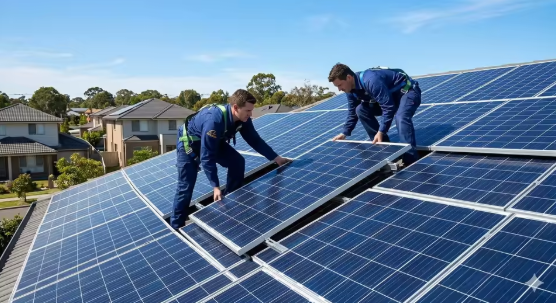
Aluminium’s lower weight can make profile handling more manageable during manufacturing, transportation, and installation. Workers can move components more easily compared with heavier alternatives of similar dimensions. This can be useful for rooftop projects where access and lifting requirements need careful planning. However, handling procedures should still account for profile size, length, project conditions, and safety requirements. Appropriate packaging and transportation methods can further protect finished profiles from scratches, deformation, or other damage before they reach the installation site.
2. Enabling Custom Profile Development
Different solar projects may require profiles with specific dimensions, channels, mounting points, or connection arrangements. Custom aluminium extrusion can support these requirements by allowing manufacturers to develop profiles around defined technical specifications. Customisation can also help reduce unnecessary material and create components suited to particular installation systems. Engineers and manufacturers can collaborate on drawings, alloy selection, tolerances, and finishing requirements before production. This process helps ensure that the resulting profiles match the practical and structural needs of the intended solar application.
3. Supporting Surface Protection and Finishing
Surface treatments can improve the appearance and functional characteristics of aluminium profiles. Anodising can create a protective surface layer, while powder coating can provide different colours and finishes. The appropriate treatment depends on environmental exposure, appearance requirements, and application conditions. Selecting the right finish can help maintain the visual quality of frame components while supporting their intended use. Manufacturers should consider preparation, coating thickness, surface quality, and application requirements to achieve consistent finishing across larger production volumes.
4. Improving Production Consistency
Solar projects often require repeated components manufactured according to precise specifications. Automated cutting, drilling, punching, bending, and machining can support consistent production at higher volumes. Consistency helps simplify assembly and reduces the possibility of variations between individual components. Quality-control procedures can further verify dimensions, finishes, and other requirements before dispatch. Manufacturers with integrated production capabilities can coordinate different stages of fabrication more efficiently, helping maintain quality while supporting project schedules and larger-volume requirements.
Conclusion: Choosing a Practical Solar Frame Solution
Solar panel frames need to combine structural performance, durability, manageable weight, manufacturing precision, and suitability for outdoor conditions. Careful profile selection and engineering can help create reliable support systems for different solar installations.
A solar panel aluminium frame can provide a practical combination of lightweight construction, corrosion resistance, profile flexibility, and manufacturing versatility. JM Aluminium provides aluminium extrusion, machining, anodising, powder coating, and quality-control capabilities, supporting the development of standard and customised aluminium profiles for different applications. Their manufacturing capabilities include precision cutting, drilling, punching, bending, and dedicated solar frame punching capacity, allowing projects to address specific profile and production requirements.