A proper tool is necessary to ensure safety and efficiency in heavy industrial maintenance operations. There are situations where pipeline maintenance will involve the separation of pipe flanges. The use of inappropriate tools may result in machinery damage or worker injury.
Dive through this guide to understand the critical factors to choose the right flange spreader for heavy duty industries.
Understand The Types of Flange Joint Gaps
The very first step in choosing your equipment is to look at the existing gap between the pipe flanges. Different tools require different amounts of starting space to fit into the joint securely.
- If you try to force a large tool into a microscopic gap, you risk ruining the metal surfaces.
- For joints that are tightly closed and have almost zero clearance, you need a wedge that can slide into a space as small as two millimeters.
- Some joints have a wider gap from previous maintenance steps, use a larger tool with a thicker mechanical jaw.
Evaluate The Power Source Options
Industrial maintenance tools rely on different power sources to generate the force needed for separation. The most common types are manual mechanical tools and high pressure hydraulic systems. The right choice depends on the scale of your facility and the thickness of the pipes.
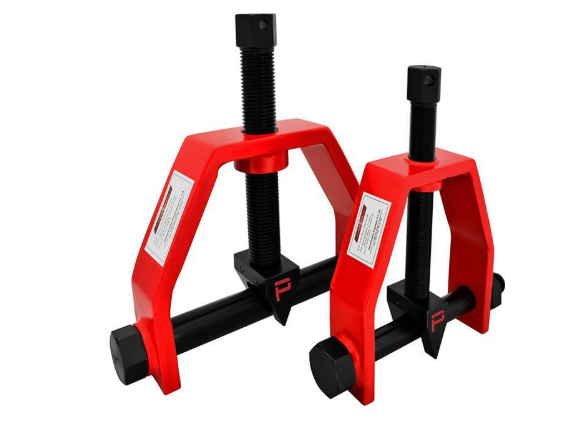
Manual options are great for smaller pipes because they use a simple mechanical screw design. They are lightweight and do not require any external hoses or pumps to operate. However, large scale industrial systems require massive forces that manual labor cannot provide. In these heavy environments, a hydraulic flange spreader is the ideal choice because it can lift or push thousands of pounds with minimal effort.
Compare Bolt Hole and Wedge Styles
Wedge style tools slide directly into the gasket gap between the two metal faces. They push outward to create space, which works perfectly when you have clear access to the front of the joint. If the faces are too delicate to touch, you should use a tool that inserts into the existing bolt holes instead. This style grips the outer rim of the joint and pulls the sections apart safely without touching the sealing surface.
Determine The Required Force Capacity
Small diameter pipes might only require a few tons of spreading force to separate cleanly. Large high pressure oil or gas lines can require twenty tons of force or even more. A heavy duty bolt tensioner pump is often required to manage the high hydraulic pressures safely.
Using the correct force capacity keeps the operation smooth and prevents sudden tool failure. It allows your maintenance crew to work with total confidence during difficult shutdowns. Beyond power and capacity, you must always think about the physical environment where the work happens.
Check Space and Clearance Restrictions
Industrial plants are often crowded with:
- Valves
- Structural beams
- And adjacent pipelines
This tight layout can limit the physical space available for your maintenance technicians to position their tools. You must measure the clearance around the joint before finalizing your equipment selection.
- For Narrow Workspace: A bulky tool will not fit and will be useless.
- For Tight Spaces: Compact integrated tools that combine the wedge and the pump into one piece work best.
- For Large Room: Use larger modular systems that feature separate pumps and long hydraulic hoses.
Review Safety Features and Certifications
Safety must always be the top priority during any heavy industrial maintenance project. You must choose tools that include:
- Built-in safety mechanisms to protect your workforce.
- A stepped block design to prevent the wedge from slipping out of the gap.
- Certified safety ratings from international industrial organizations.
- Tools with overload protection valves are excellent.
Final Thoughts
Choosing the right flange spreaders for pipe separation involves looking at gap sizes, power sources, and safety ratings. Balancing these factors ensures that your maintenance shutdown goes smoothly without any unexpected accidents. Taking the time to evaluate your specific pipeline needs will protect your investments and keep your industrial project moving forward efficiently.