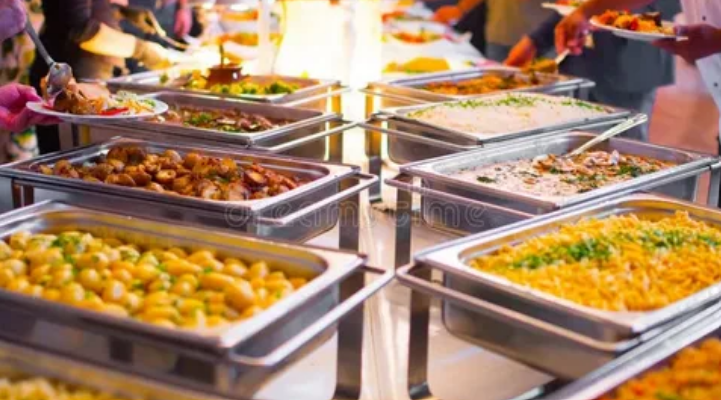
Planning food for a large event involves much more than deciding what to serve. Whether it is a corporate conference, wedding reception, product launch, training seminar, or family celebration, the dining experience often becomes one of the most memorable parts of the occasion. While some hosts consider preparing meals at home to reduce costs, others prefer business catering services for convenience and professional execution.
The right choice depends on several operational factors, including the number of guests, food safety requirements, service expectations, available resources, and overall event objectives. Understanding the strengths and limitations of both options helps organizers make informed decisions while avoiding unnecessary stress.
Understanding the Demands of Large-Scale Food Service
Preparing meals for a handful of people is very different from serving hundreds of guests within a limited timeframe. Large events require coordinated production planning, procurement, transportation, temperature-controlled storage, serving logistics, and waste management.
Every stage of the process must work together to ensure food quality remains consistent from the kitchen to the guest’s plate. A small delay in one area can affect the entire service schedule. This is where professional planning often becomes the deciding factor.
Homemade Food: When It Makes Sense
Homemade meals offer a personal touch that many families and close-knit communities appreciate. Traditional recipes, familiar flavors, and emotional connections often make home-cooked food special.
Homemade food can be a practical option when:
- The guest list is relatively small.
- Family members are available to help prepare and serve food.
- The menu is simple and easy to manage.
- The event schedule is flexible.
The Hidden Challenges of Homemade Catering
Many people compare only the ingredient costs when deciding between homemade meals and professional catering. In reality, food preparation involves several indirect expenses and operational responsibilities.
Some common challenges include:
Time Commitment
Shopping, preparing ingredients, cooking multiple dishes, transporting food, serving guests, and cleaning afterward can consume several days of work.
Portion Planning
Estimating food quantities for large crowds requires experience. Underestimating leaves guests dissatisfied, while overestimating results in unnecessary waste and higher expenses.
Food Safety Risks
Maintaining safe food temperatures is essential to prevent bacterial growth. Improper storage or transportation can compromise food quality, particularly for dairy products, meat, seafood, and cooked rice. Professional caterers follow established food safety protocols, including temperature monitoring, hygienic handling practices, and proper storage procedures to reduce these risks.
Limited Equipment
Large-scale cooking often requires commercial ovens, warming units, insulated food containers, serving stations, and refrigeration facilities that most households simply do not have. Without the right equipment, maintaining food quality throughout the event becomes increasingly difficult.
Why Professional Catering Companies Stand Out
Professional caterers are designed to handle complex event operations efficiently. Their role extends beyond cooking meals. A catering team manages procurement, production scheduling, kitchen coordination, buffet setup, plated service, beverage stations, staffing, cleanup, and contingency planning. Instead of worrying about logistics, event organizers can focus on welcoming guests and managing the overall experience.
Consistency Matters
One of the biggest advantages of professional catering is consistency. Every guest expects the same quality, presentation, and portion size regardless of when they are served. Professional kitchens rely on standardized recipes, batch production methods, and quality assurance procedures to maintain uniformity throughout service. This level of consistency is difficult to achieve when cooking large quantities in a domestic kitchen.
Food Safety Is a Professional Responsibility
Food safety is no longer simply good practice. It is an essential part of professional food service. Reputable caterers implement systems based on Hazard Analysis and Critical Control Points (HACCP) principles, ensuring food is stored, prepared, transported, and served under controlled conditions.
Temperature monitoring, cross-contamination prevention, allergen management, sanitation protocols, and trained food handlers all contribute to reducing health risks. For corporate events, conferences, schools, hospitals, and public gatherings, these standards provide valuable peace of mind.
Better Menu Planning for Diverse Guests
Large events often include guests with different dietary requirements. Offering inclusive dining options demonstrates thoughtful planning while improving the guest experience.
Professional caterers can accommodate:
- Vegetarian meals.
- Vegan options.
- Gluten-free selections.
- Halal meals.
- Low-sodium diets.
- Allergy-sensitive menus.
Professional Service Enhances the Event
Food presentation influences how guests perceive the entire event. These operational details create a smoother dining experience while reflecting positively on the event host.
Professional catering teams pay close attention to:
- Buffet arrangement.
- Food presentation.
- Serving efficiency.
- Dining area organization.
- Guest interaction.
- Timely replenishment.
For organizations hosting conferences, business meetings, networking events, or executive gatherings, investing in business catering services often contributes to a more polished and professional image.
Comparing Costs Beyond the Menu
At first glance, homemade food may appear less expensive. When these factors are considered, the price difference often becomes much smaller than expected.
However, a complete cost comparison should include:
- Ingredients
- Transportation
- Cooking fuel or electricity
- Disposable serving materials
- Equipment rental
- Food storage
- Serving staff
- Cleanup time
- Food waste
- Emergency purchases
Which Option Is Better?
There is no universal answer because every event has different priorities.
Homemade food works well when:
- The gathering is small.
- Personal traditions are important.
- Family members are available to help.
- Service expectations are relatively simple.
A professional catering company becomes the better choice when:
- Guest numbers are high.
- Time is limited.
- Food safety is critical.
- Professional presentation matters.
- Multiple menu options are required.
- Event logistics are complex.
- Hosts want to focus on their guests rather than food preparation.
As the scale of an event increases, professional planning becomes less of a luxury and more of a practical necessity.
Conclusion
Selecting between homemade food and professional catering is ultimately about balancing convenience, quality, safety, and the overall guest experience. While home-cooked meals remain meaningful for smaller gatherings, larger events demand careful planning, reliable execution, and operational expertise that can be difficult to achieve without professional support. Evaluating the event size, available resources, and service expectations will help ensure every guest enjoys a memorable dining experience.
Companies like Contact Catering & Facilities Solutions (CFS) understand the operational requirements behind successful food service, offering business catering services that prioritize quality, food safety, efficient logistics, and customer satisfaction for events of every scale.